Need roof replacement in San Antonio?
Tell us about your roof and what you have noticed. Send a request, and a provider in our network can follow up about your roof replacement project.
No obligation
Request an estimate from a local provider
A roof that has reached the end of its life needs a plan, not a rush. In San Antonio, hot attics, heavy downpours and tropical storm season wear shingles down faster than many owners expect. This page explains how to spot the signs, stay safe and get ready.
Mutualhope Roofing is a referral service. It does not install roofs. It connects you with independent local providers in our network who inspect, quote and do the work. Before you talk to anyone, collect photos, notes and records. They make estimates easier to compare and help if you ever speak with your insurer. Then ask good questions and get every detail in writing.
Most asphalt shingle roofs last about 15 to 30 years. Hot attics, heavy downpours and storm seasons can shorten that. If your roof is near that age and showing trouble, plan a replacement before a small problem becomes a wet ceiling.
If you need emergency roof repair for an active leak, that is a different job from a full new roof. This page is about replacement.
Look for patterns, not one flaw. One loose shingle is a repair question. Wear across many areas points to a new roof.
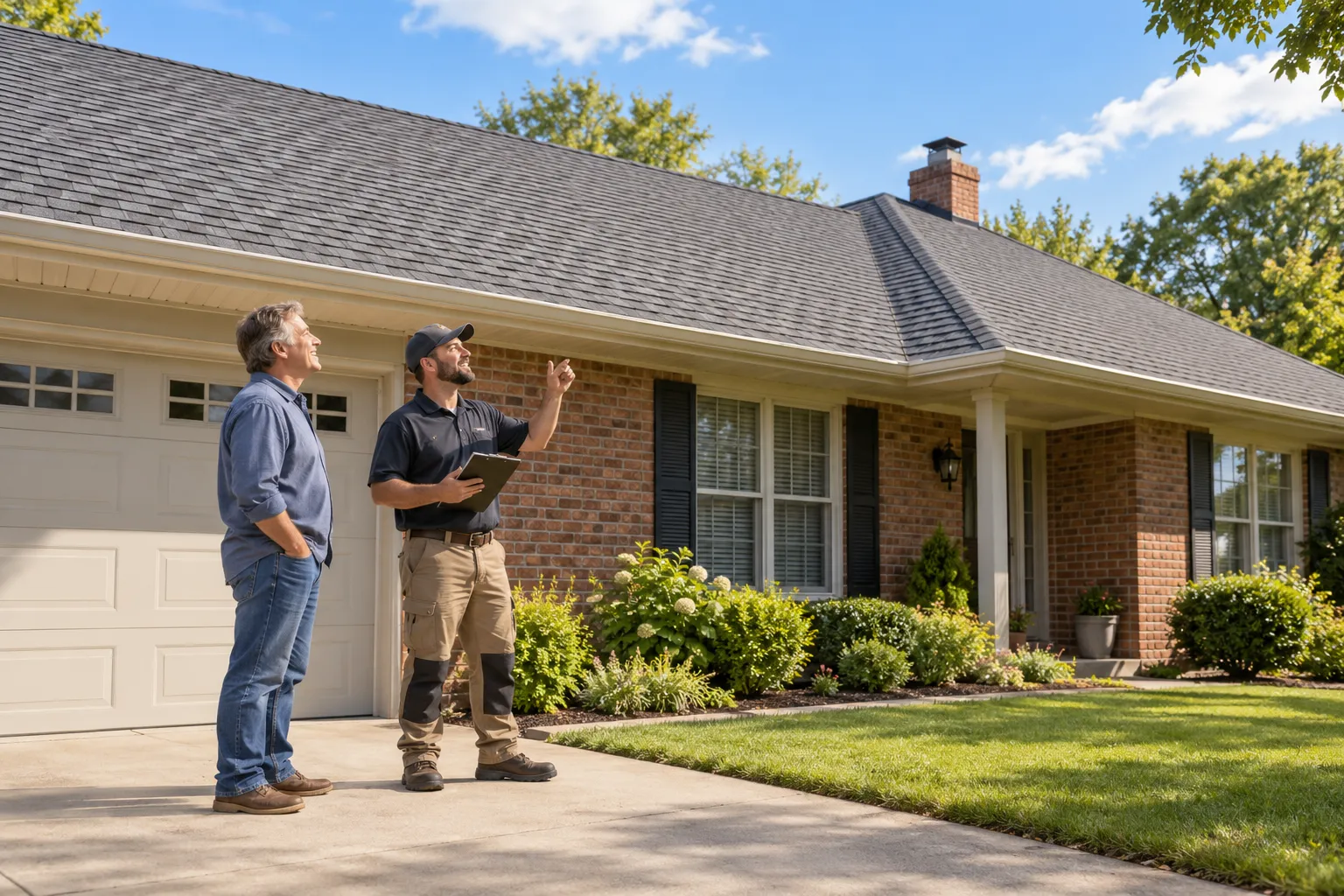
Stay off the roof. Wet shingles, steep pitch and loose granules cause falls. Walk around the house in daylight and use binoculars.
Look in the attic with a flashlight. Do not step between joists. Watch for stains on the wood, daylight through the deck, damp insulation or a musty smell. Check ceilings for brown rings.
A sagging area, a soft ceiling spot or water coming in during rain needs attention before anything else. Move belongings and keep people out of the room below. Do not climb up to look. Request a callback to check provider availability.
Photos before phone calls. This one habit makes every estimate easier to compare.
Some policies may cover sudden damage, such as a storm. Age and wear are often treated differently. Check your policy, and ask providers whether they can help document damage for a claim.
A proper job is more than new shingles. Look for each item on the quote.
Asphalt shingles are common and fit many budgets. Metal sheds rain well and reflects heat. Tile lasts a long time but is heavy, so the framing must be checked first. Ask about wind ratings, since tropical storms bring strong gusts. Lighter colors can help with attic heat.
A tear-off strips the old layers. A roof-over puts new shingles on top. Roof-overs can cost less up front, but they hide the deck, add weight and may limit warranties. Many local codes cap the number of layers.
Do not accept a roof-over without a deck inspection. Get the choice in writing.
Most areas require a permit for a replacement. The provider usually pulls it, so ask who will. Do not let anyone skip it. Missing permits can cause trouble when you sell or file a claim.
Plan around the forecast. Sudden downpours can delay work. A careful provider covers open areas with tarps at the end of each day.
Storm damage repair and hail damage roof replacement can be very different outcomes. Hail bruises are hard to see from the ground. Photograph dents on vents, gutters and metal trim.
Do not pay a deposit or sign over claim rights to someone knocking on doors after a storm. Ask a local provider to explain in writing whether a repair or a full roof makes sense.
There are two kinds. A manufacturer warranty covers materials. A workmanship warranty comes from the provider and covers the install. Get both in writing, with the length and what could void them. Some need registration. Keep copies in your folder.
Look for local roofing contractors with a real business address, proof of insurance and written quotes. Providers in the network are independent, so ask each one directly.
Do get several quotes and compare them line by line. Do read the full contract. Do not pay in full up front. Do not sign blank forms. Do not let work start before the permit is in place. Get it in writing.
Gather your photos and notes, then request an estimate. A local provider can inspect the roof, answer your questions and put the plan on paper.
Worn layers come off and are hauled away so the deck can be checked.
Providers look for soft or rotted boards and replace them before new roofing goes on.
A leak barrier and fresh flashing protect valleys, vents and chimneys from heavy rain.
Shingles, metal or tile are installed, vented and cleaned up, with the work listed in writing.
These are typical U.S. ranges. Your price depends on roof size, pitch, material, local codes and the condition of the deck. Always get a written, line-item quote before work starts.
| Item | Typical range | Notes |
|---|---|---|
| Asphalt shingle roof | $6,000 – $14,000 | Most common choice; size and pitch change the price |
| Metal roof | $12,000 – $30,000 | Higher upfront cost and strong against rain and heat |
| Tile or similar heavy roofing | $15,000 – $40,000 | Framing may need a check first |
| Tear-off and disposal | $1,000 – $3,000 | Extra layers raise the price |
| Decking repair | $70 – $120 per sheet | Only if boards are soft or rotted |
| Permit and inspection | $100 – $600 | Varies by city and county |
Take dated photos from the ground and the attic. Stay off the roof.
Pull together roof age, past receipts, warranty papers and policy details.
Tell us what you see, and a local provider from the network reaches out.
Check materials, layers, permits and warranties line by line before you sign.
Clear do and do-not steps help you avoid falls, rushed deals and risky shortcuts.
Photos, notes and records make estimates easier to compare and claims easier to discuss.
Independent providers in the network know area weather, codes and building styles.
A referral service, not a roofer, so questions and red flags come first.
Tell us about your roof and what you have noticed. Send a request, and a provider in our network can follow up about your roof replacement project.
Widespread curling, bald spots, granules in gutters or leaks in several places usually point to replacement. One damaged spot may be a repair. A provider inspection and written opinion will settle it.
Many homes take a few days, but size, material, deck repairs and weather all change the schedule. Ask the provider for a written timeline and what happens if rain interrupts the job. Storm season can add delays.
Some policies may cover sudden damage, such as storm or hail. Age and wear are often treated differently. Check your policy and keep photos and records ready.
Tell us about your roof and what you have noticed. Send a request, and a provider in our network can follow up about your roof replacement project.
No obligation